Duquesne West
Overview
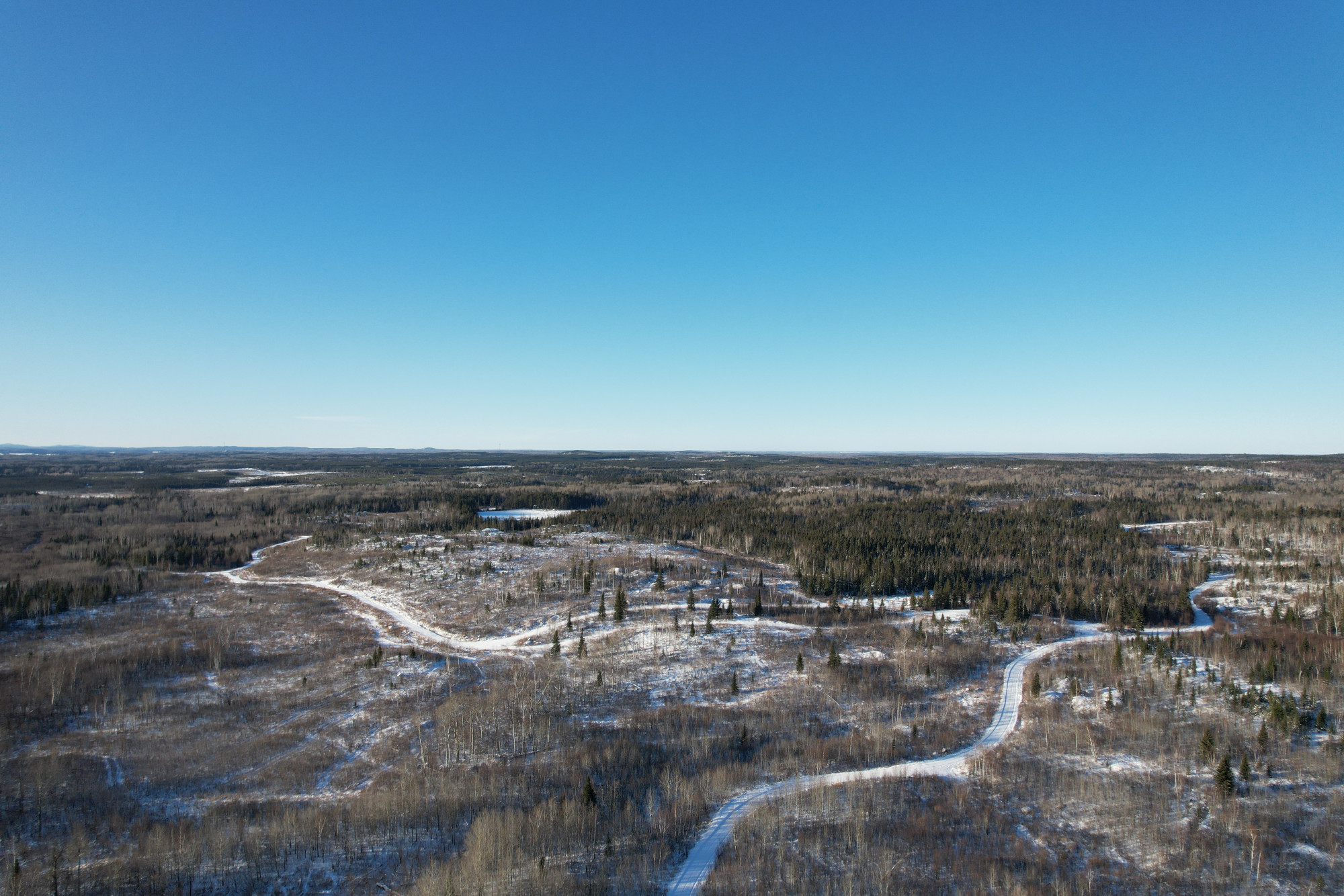
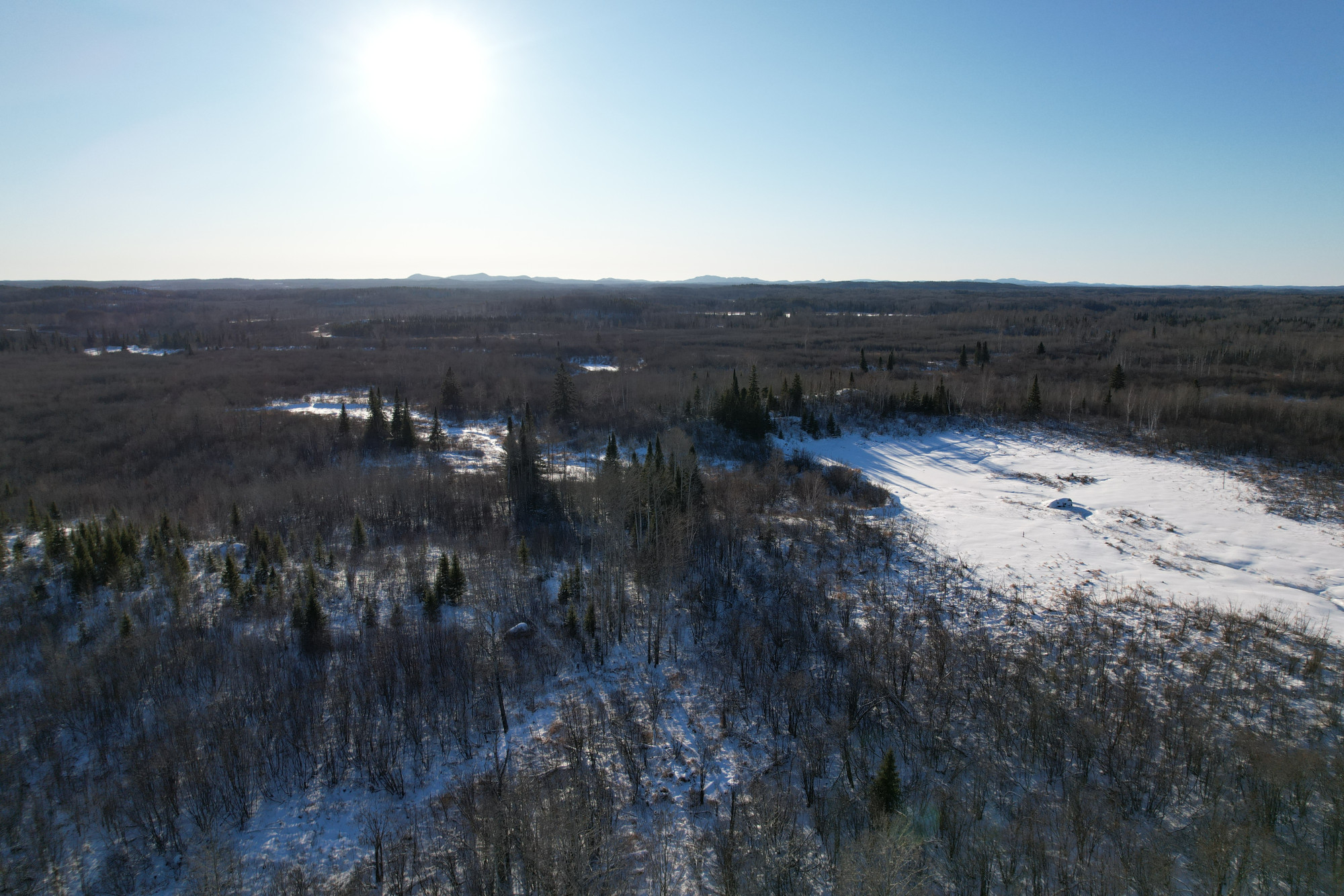
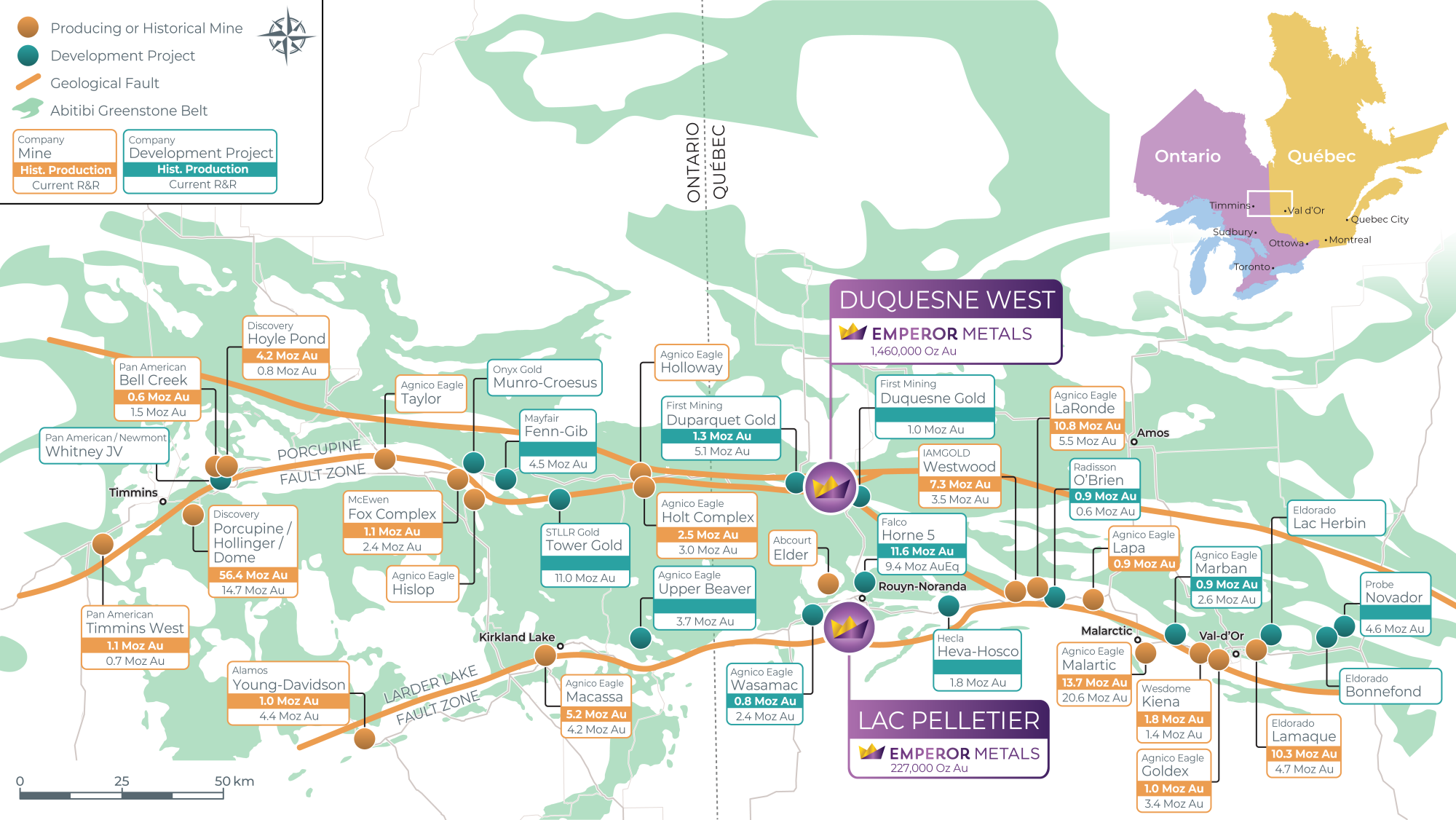
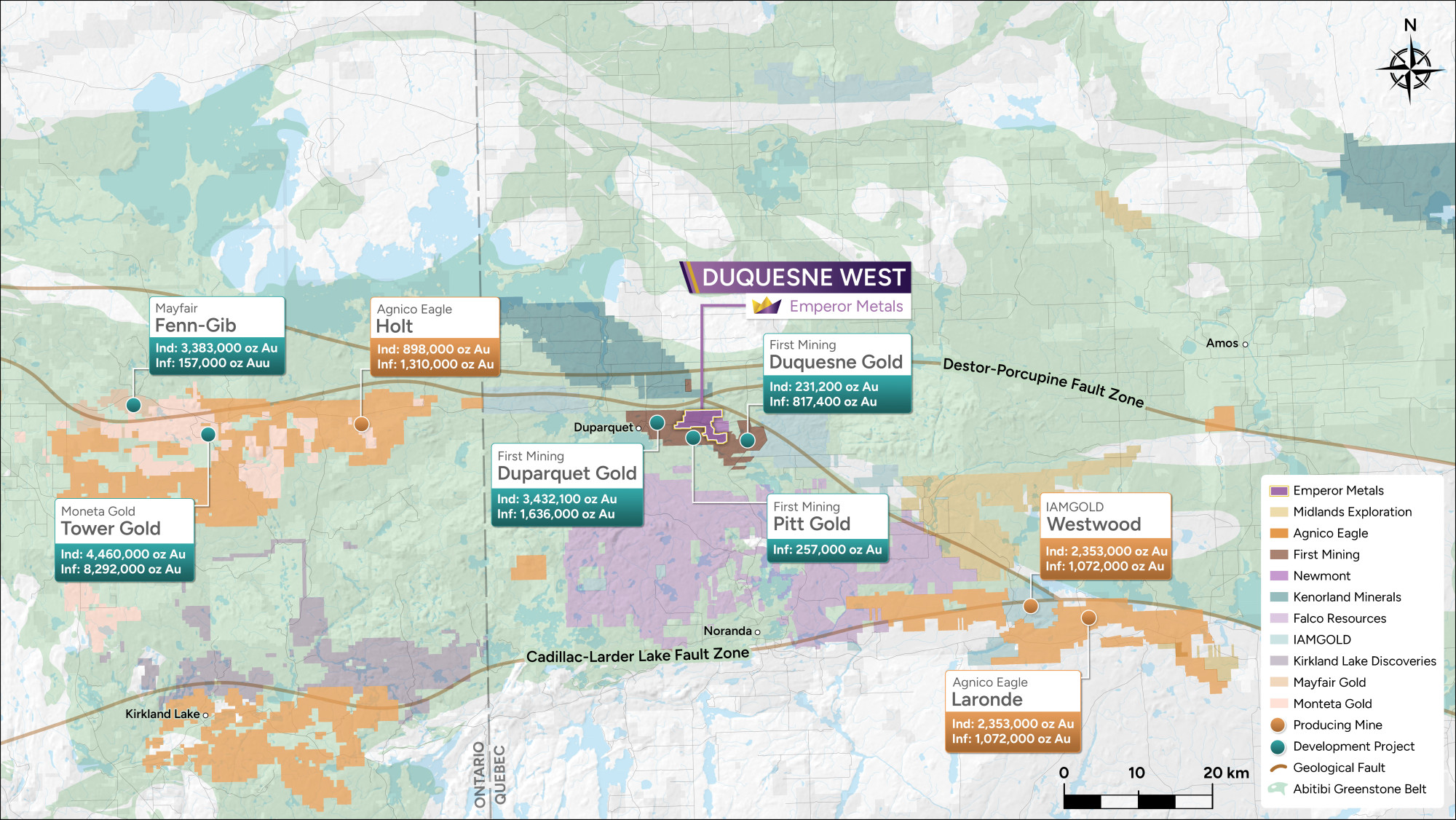
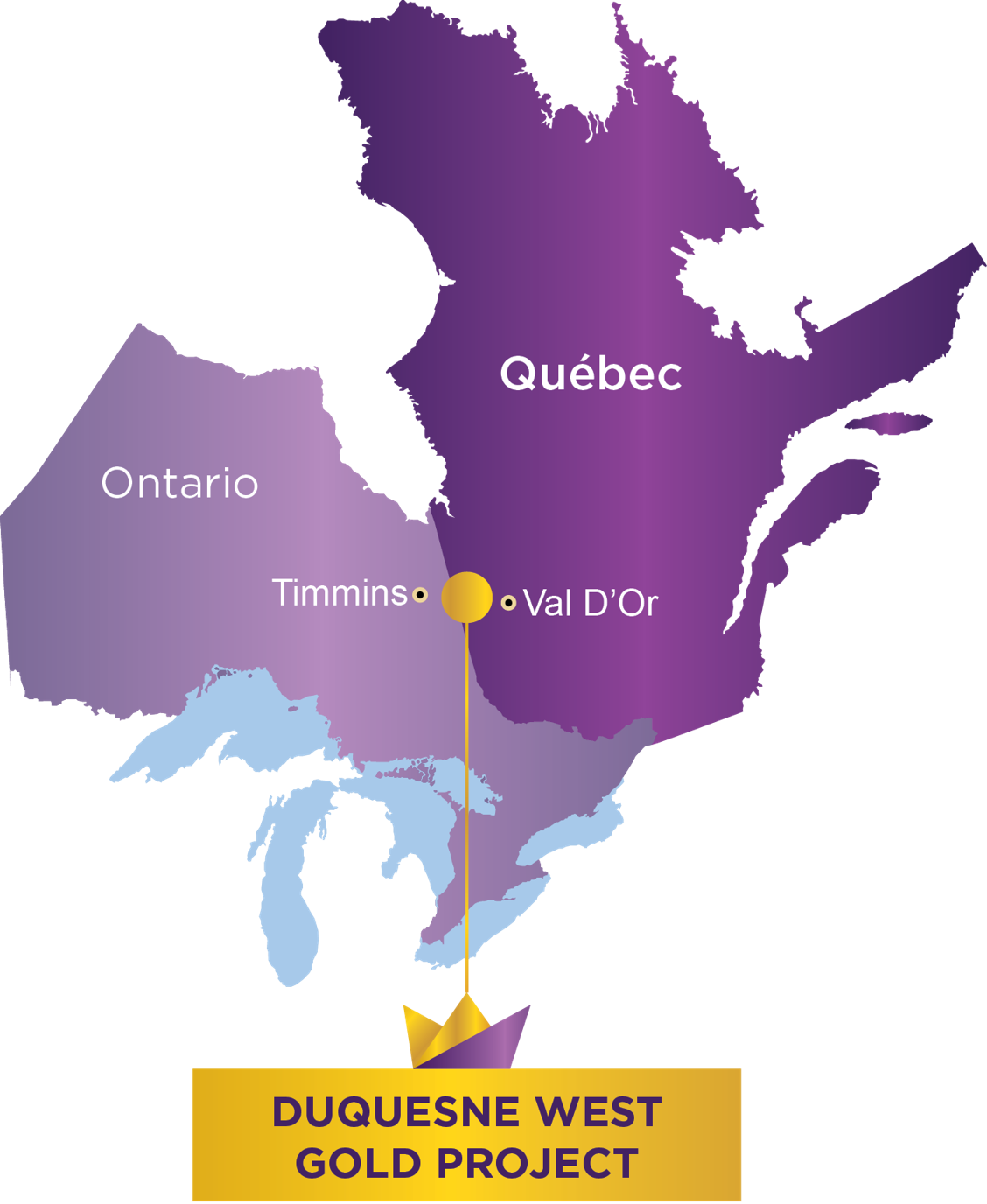
The flagship Duquesne West Gold Project is located in Quebec's prolific Abitibi Greenstone Belt, approximately 32 km northwest of Rouyn-Noranda and 10 km east of Duparquet, within the historic Duparquet Gold Camp.
Duquesne West currently hosts an Inferred Mineral Resource of 26.9 million tonnes containing 1.46 million ounces of gold at an average grade of 1.69 g/t Au. Emperor is targeting resource growth through a combination of conceptual open-pit and underground mining scenarios.
The completed 2025/2026 exploration program continues to demonstrate opportunities for resource growth through improved mineralization continuity, structural targeting and high-grade zone expansion. Recent results include 15m grading 61.5 g/t Au, reinforcing the potential for thicker, higher-grade mineralized zones within the existing deposit footprint
With additional assay pending, Emperor is integrating new drilling and historical core results into its geological model to support an support an updated NI 43-101 Mineral Resource Estimate and subsequent Preliminary Economic Assessment (PEA). Further drilling is planned for Q4 2026, targeting resource expansion and improved geological confidence.
Maiden Mineral Resource Estimate – July 2025
Resource Highlights
- Inferred Mineral Resource: 26.9 Mt containing 1.46 Moz Au at an average grade of 1.69 g/t Au
- Approximately 44% of ounces within the conceptual open-pit model
- Approximately 56% within the underground model
- Expansion opportunities identified within and beyond the current conceptual open-pit shell, along strike and at depth
2026 Drill Program
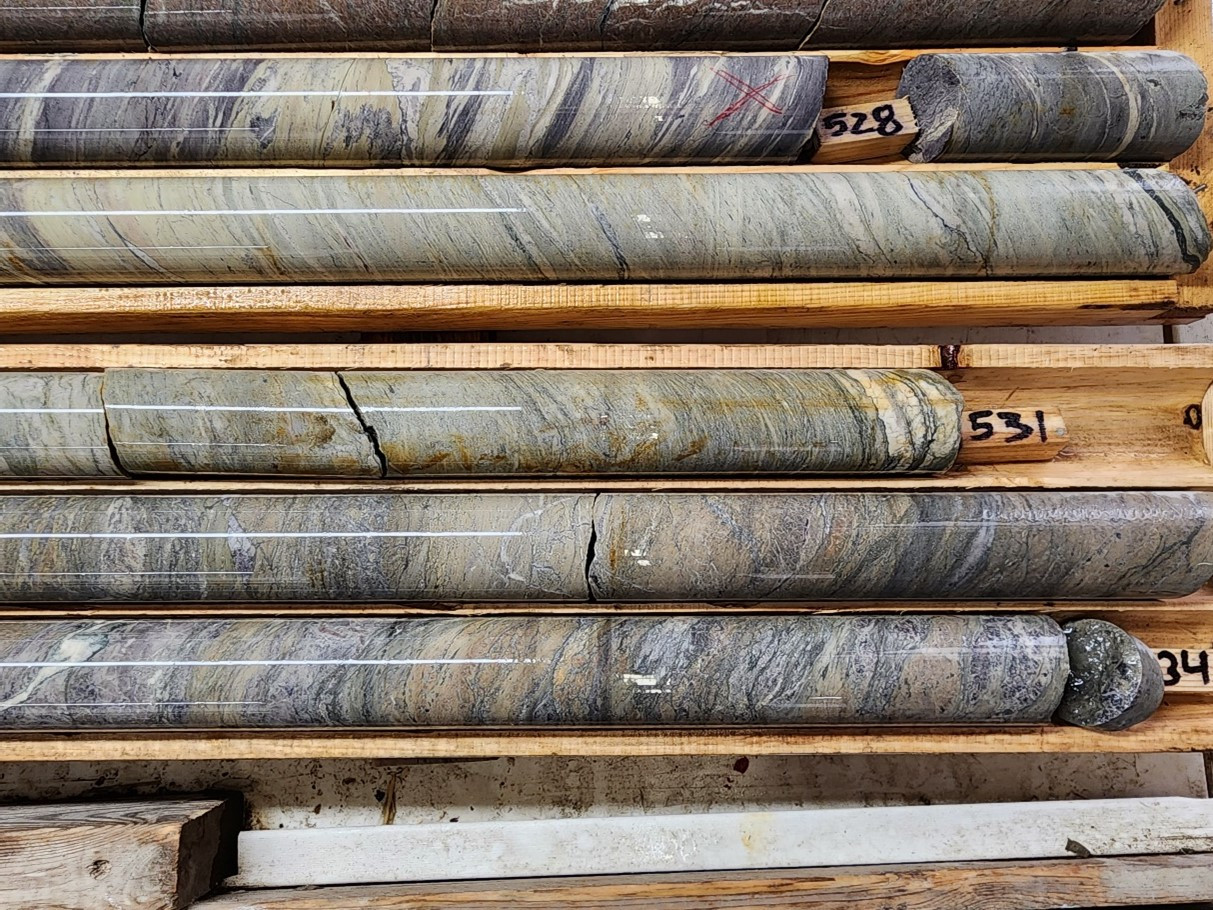
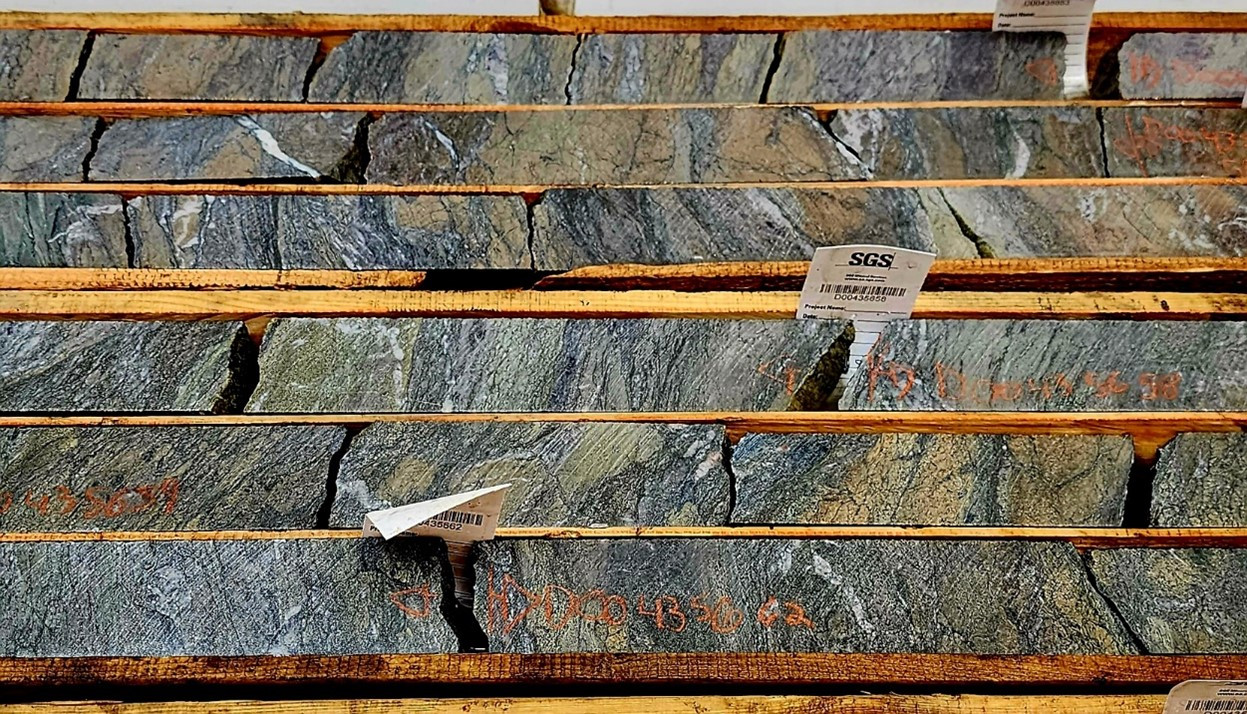
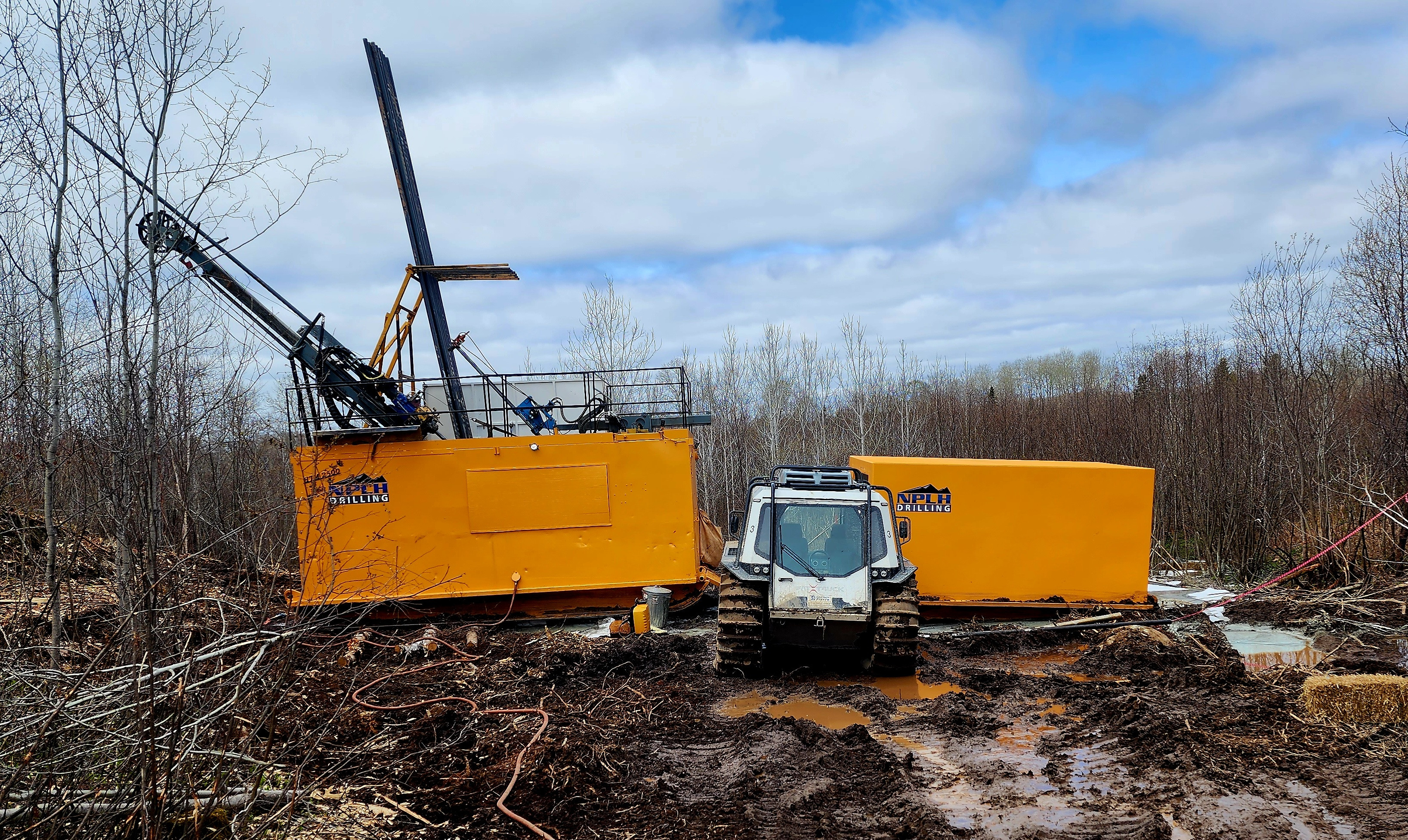
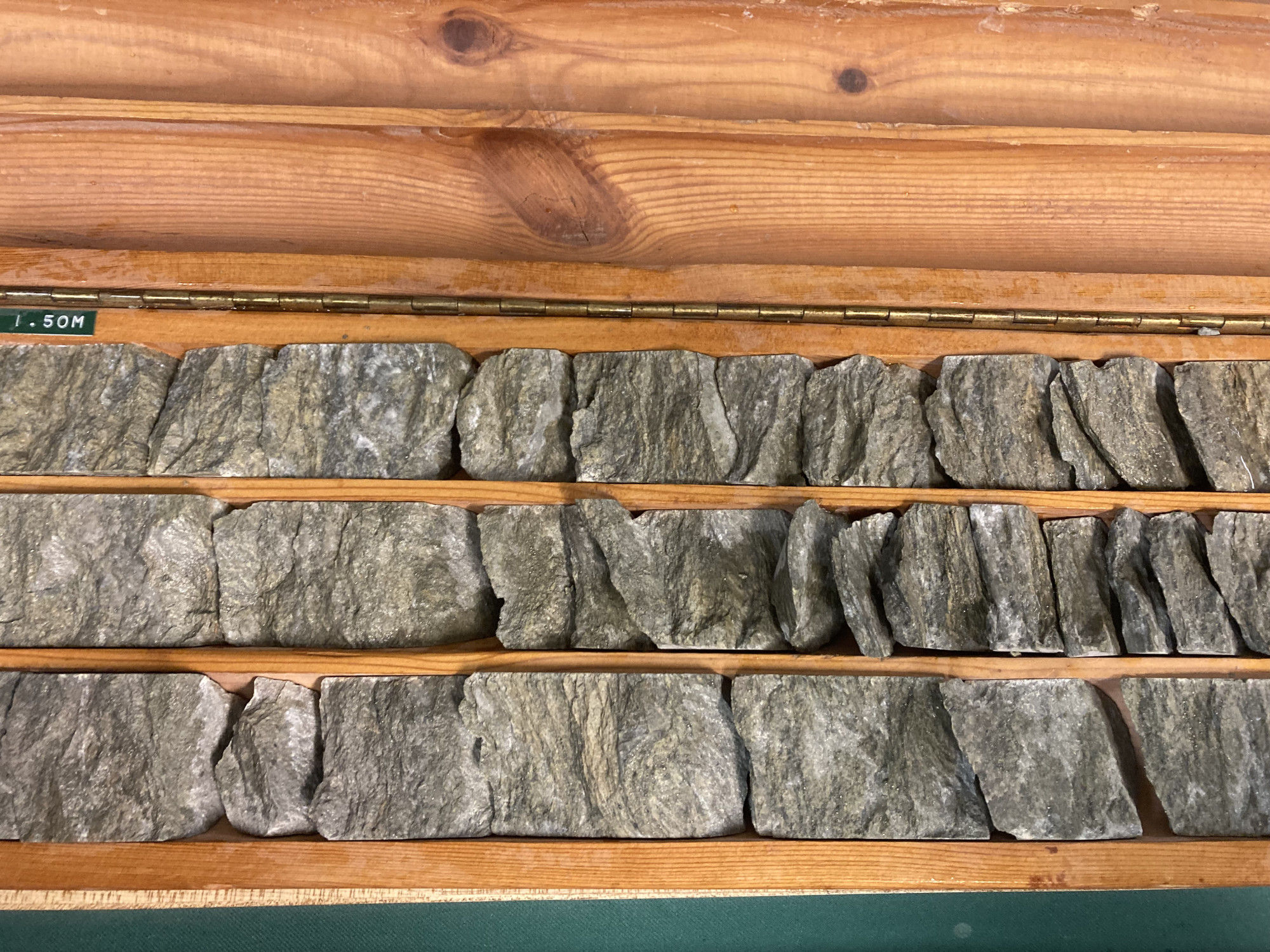
Emperor completed its 2025/2026 exploration program on budget, drilling 66 holes totaling 20,479 m. The broader program also includes 7,884 m of previously unsampled historical core, generating more than 28,000 m of combined drilling data to further refine and expand the resource model.
As of September 29, 2026, assay results had been reported for 44 of 66 holes, representing approximately 13,943 m or 68% of total program drilling. When historical core is included, approximately 50% of total expected assays remain pending.
Objectives
- Reinforce resource continuity
- Expand the mineralized envelope
- Define shallow mineralization supporting conceptual open-pit growth
- Improve the geological model and confidence in mineralized lenses
- Support a future NI 43-101 Mineral Resource Estimate update
- Advance the project toward a future PEA
2025/2026 Drill Highlights
- 15.0 m @ 61.5 g/t Au
- 32.0 m @ 5.9 g/t Au, including 2.6 m @ 22.4 g/t Au
- 35.9 m @ 3.1 g/t Au
- 24.1 m @ 2.6 g/t Au, including 7.1 m @ 7.5 g/t Au
- 20.1 m @ 5.0 g/t Au
- 21.3 m @ 3.0 g/t Au
- 14.3 m @ 2.2 g/t Au, including 4.0 m @ 7.4 g/t Au
- 22.0 m @ 0.7 g/t Au, extending mineralization beneath a previously reported high-grade interval
- 14.7 m @ 0.5 g/t Au, confirming mineralized structures at depth
- 3.0 m @ 2.7 g/t Au from previously unsampled historical core
Exploration & AI Targeting
Emperor continues to integrate drilling results into its AI- and machine-learning-assisted geological model. The model is being used to identify gold trends and structural zones that were not recognized by previous operators and to evaluate opportunities to expand the resource along gold-endowed structural zones.
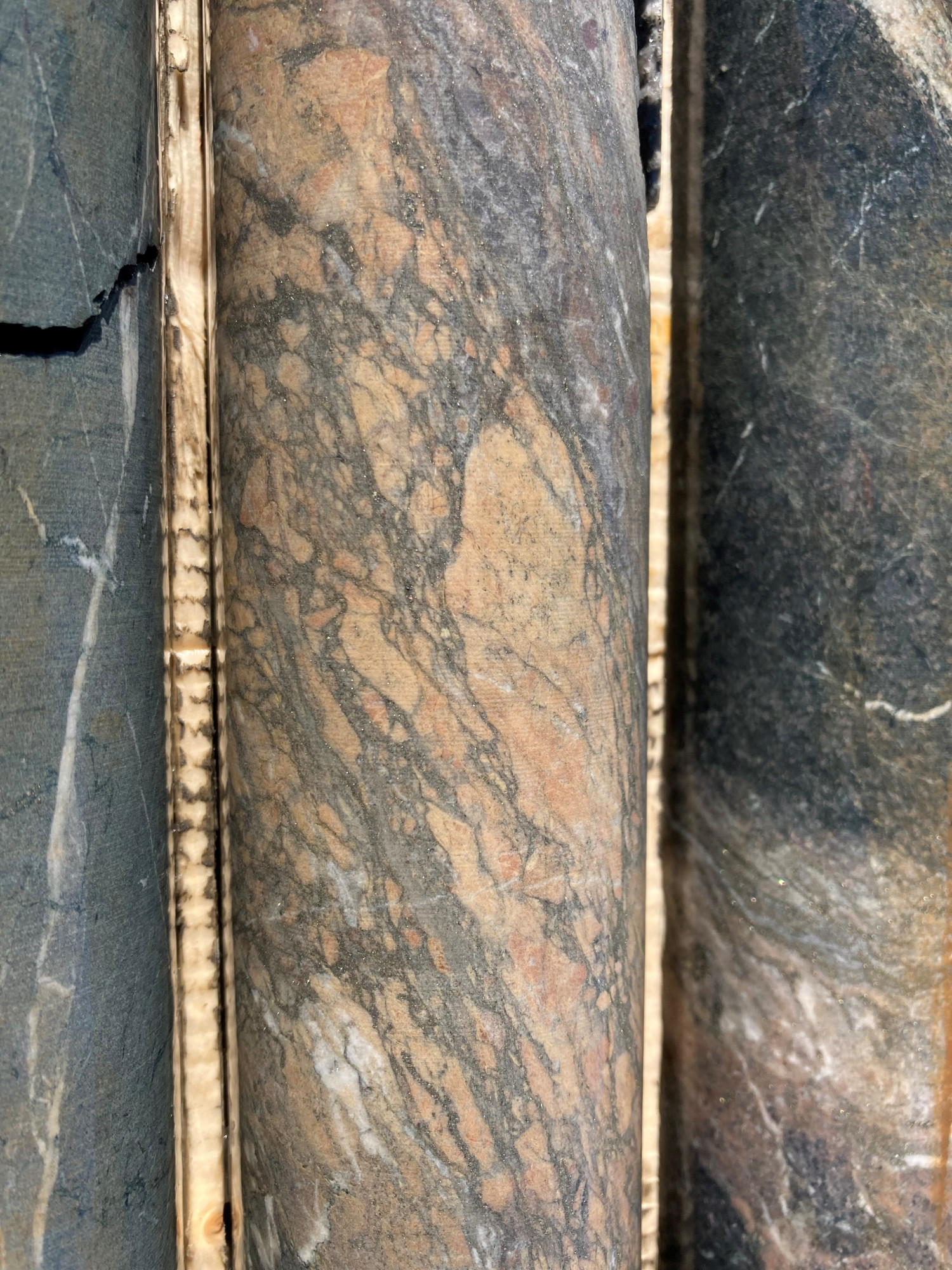
Recent drilling has reinforced the importance of structural intersections and localized thickening of mineralized lenses, including the 32.0 m interval grading 5.9 g/t Au in DQ26-37. Systematic infill drilling is improving Emperor's understanding of grade continuity and replacement-style mineralization within the existing deposit footprint.
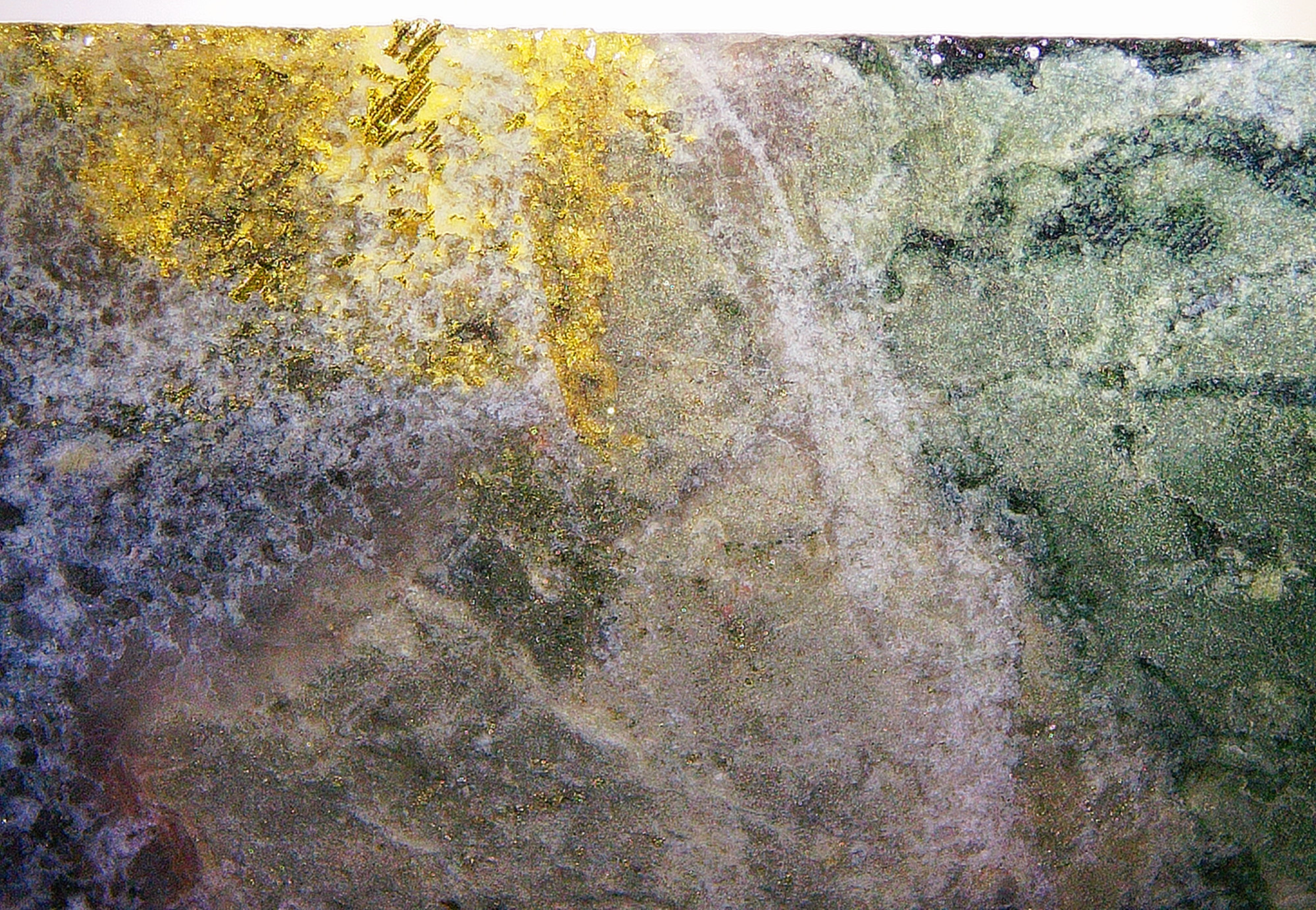
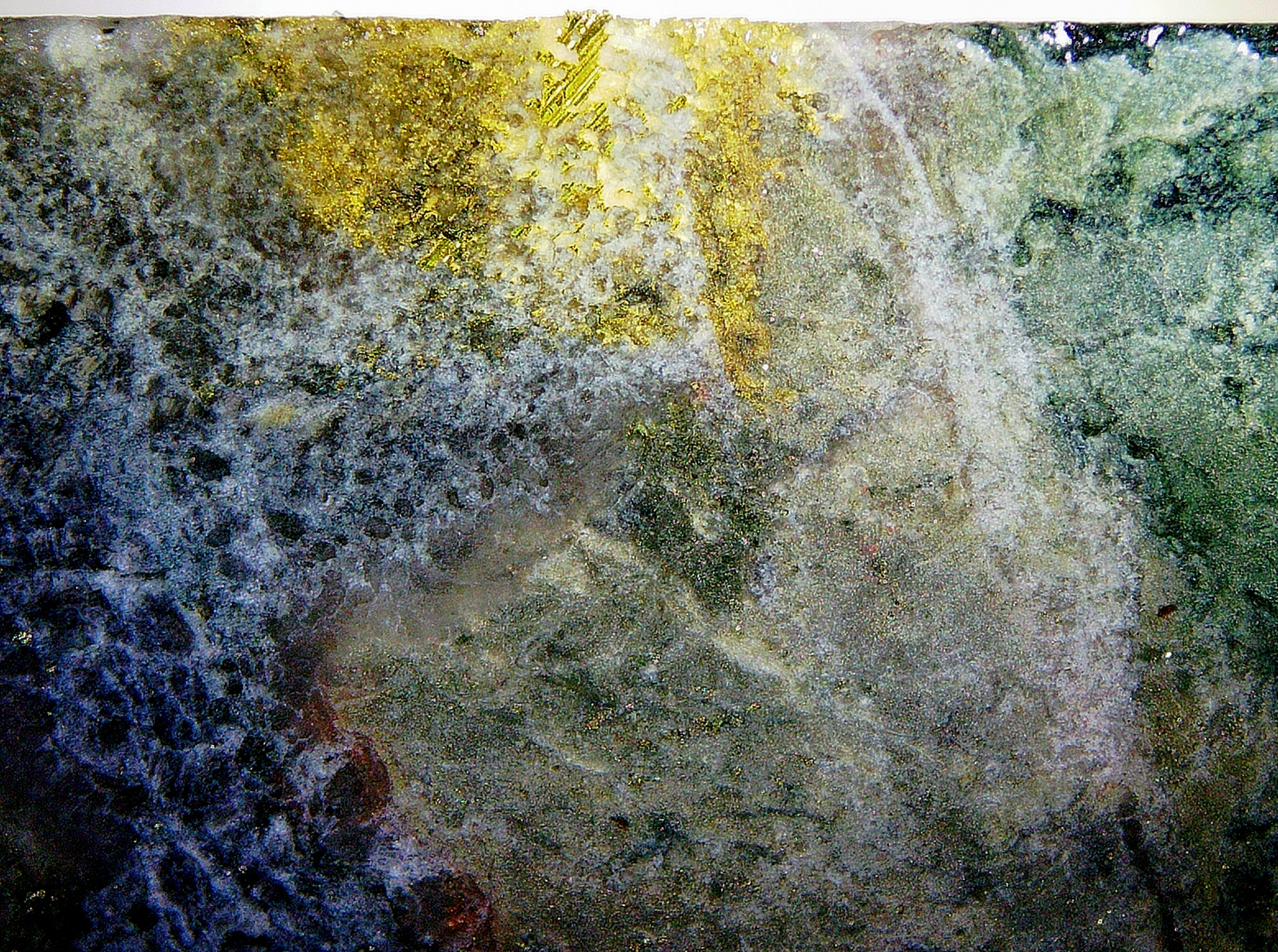
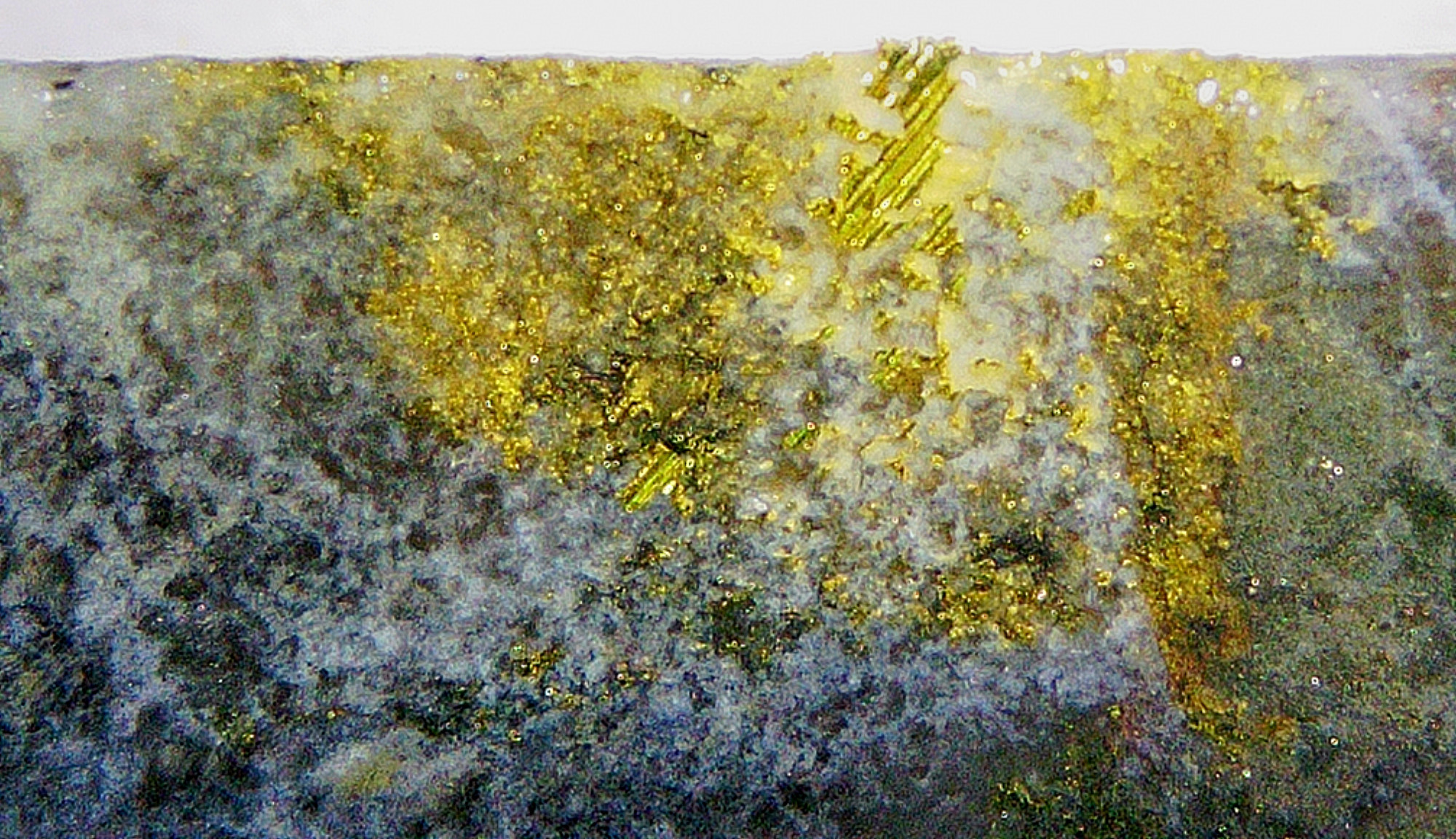
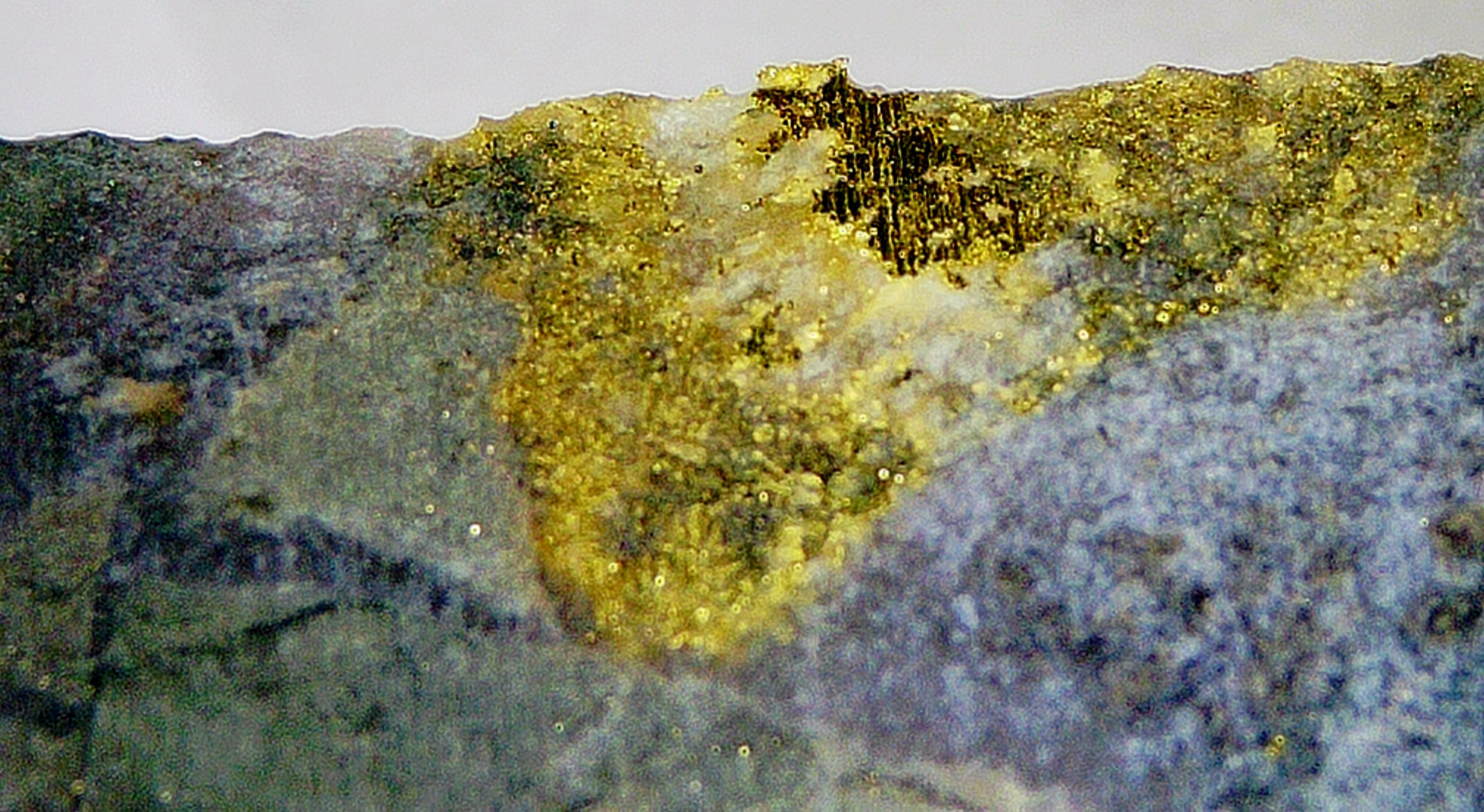
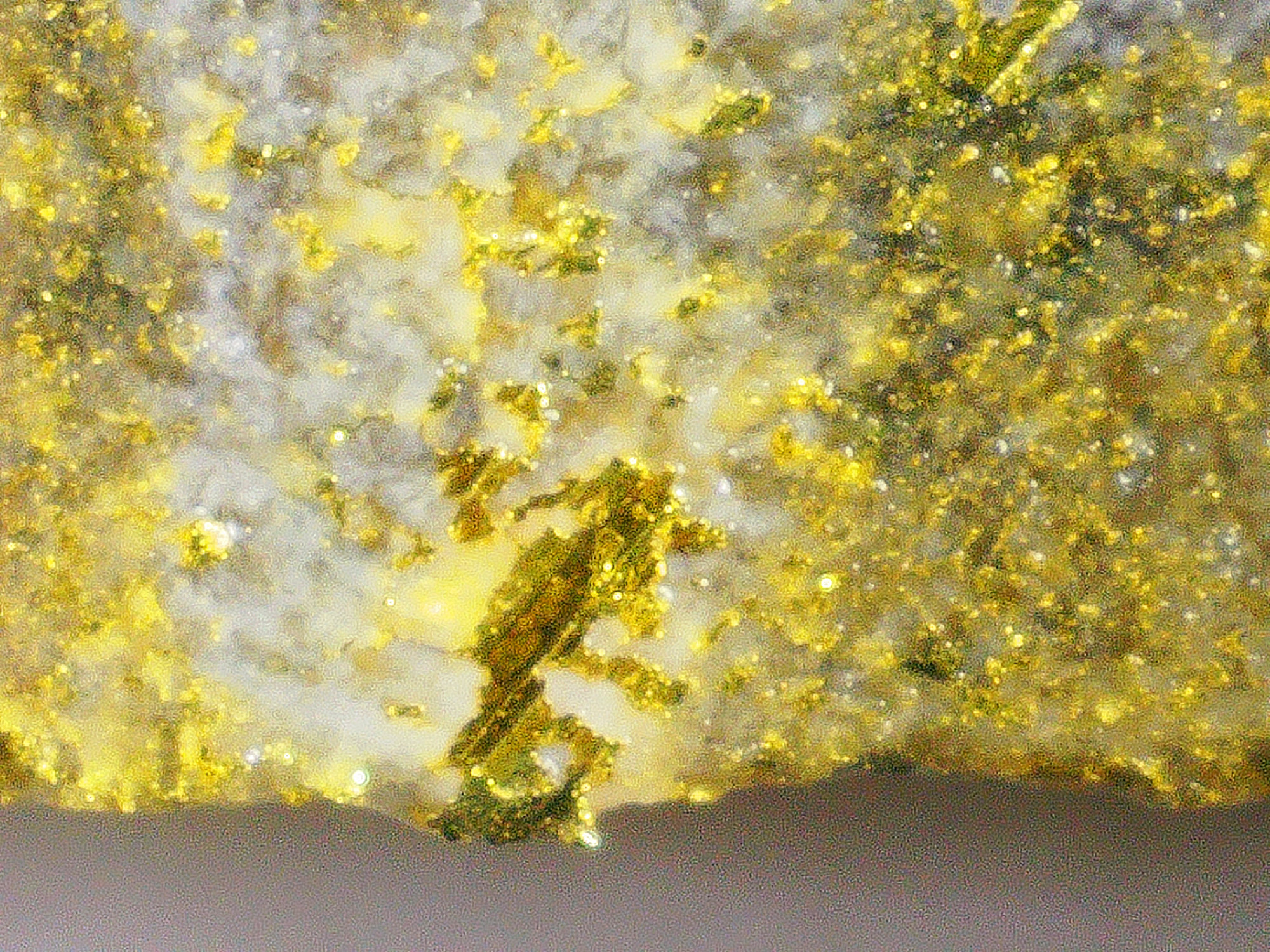
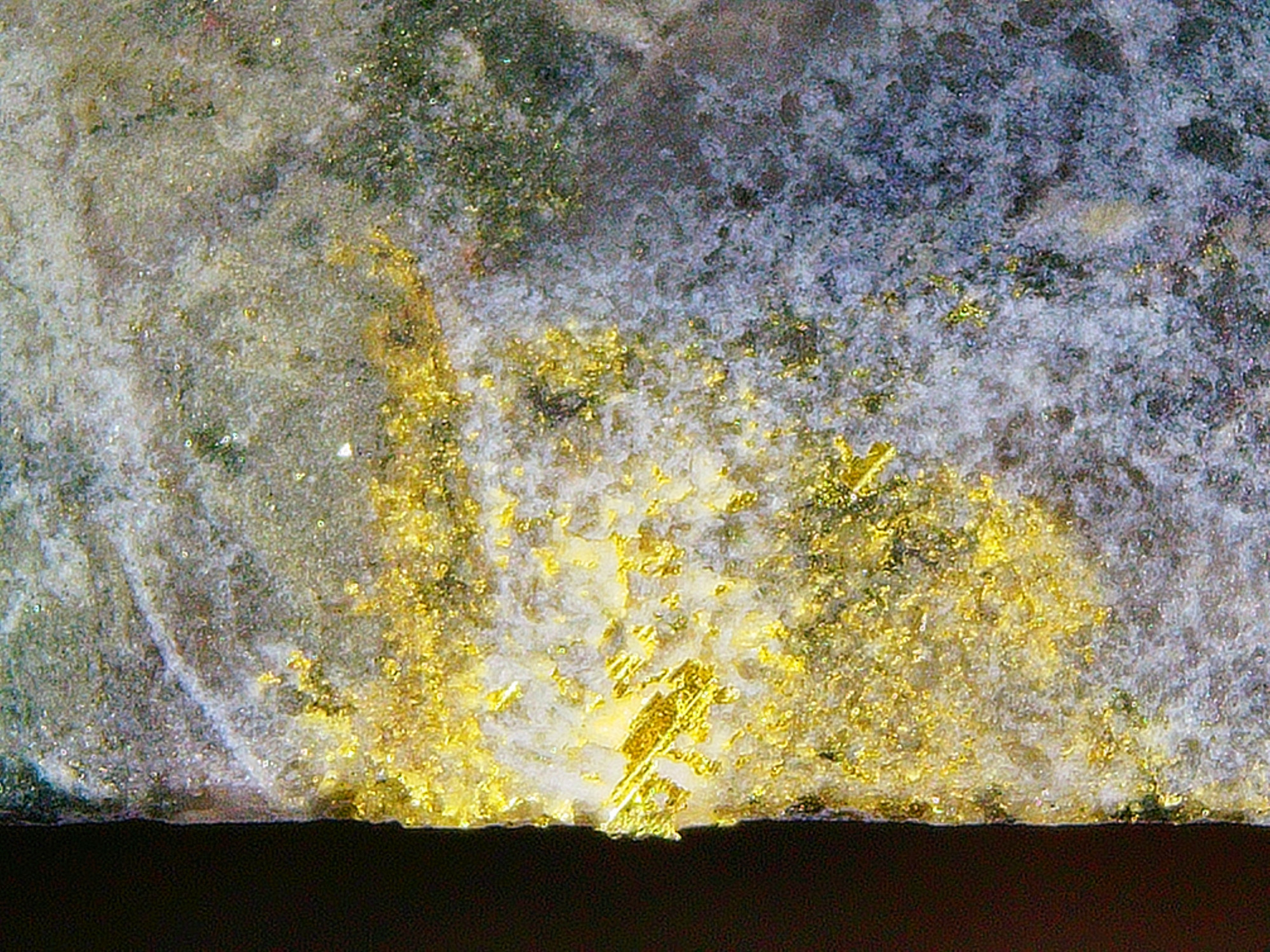
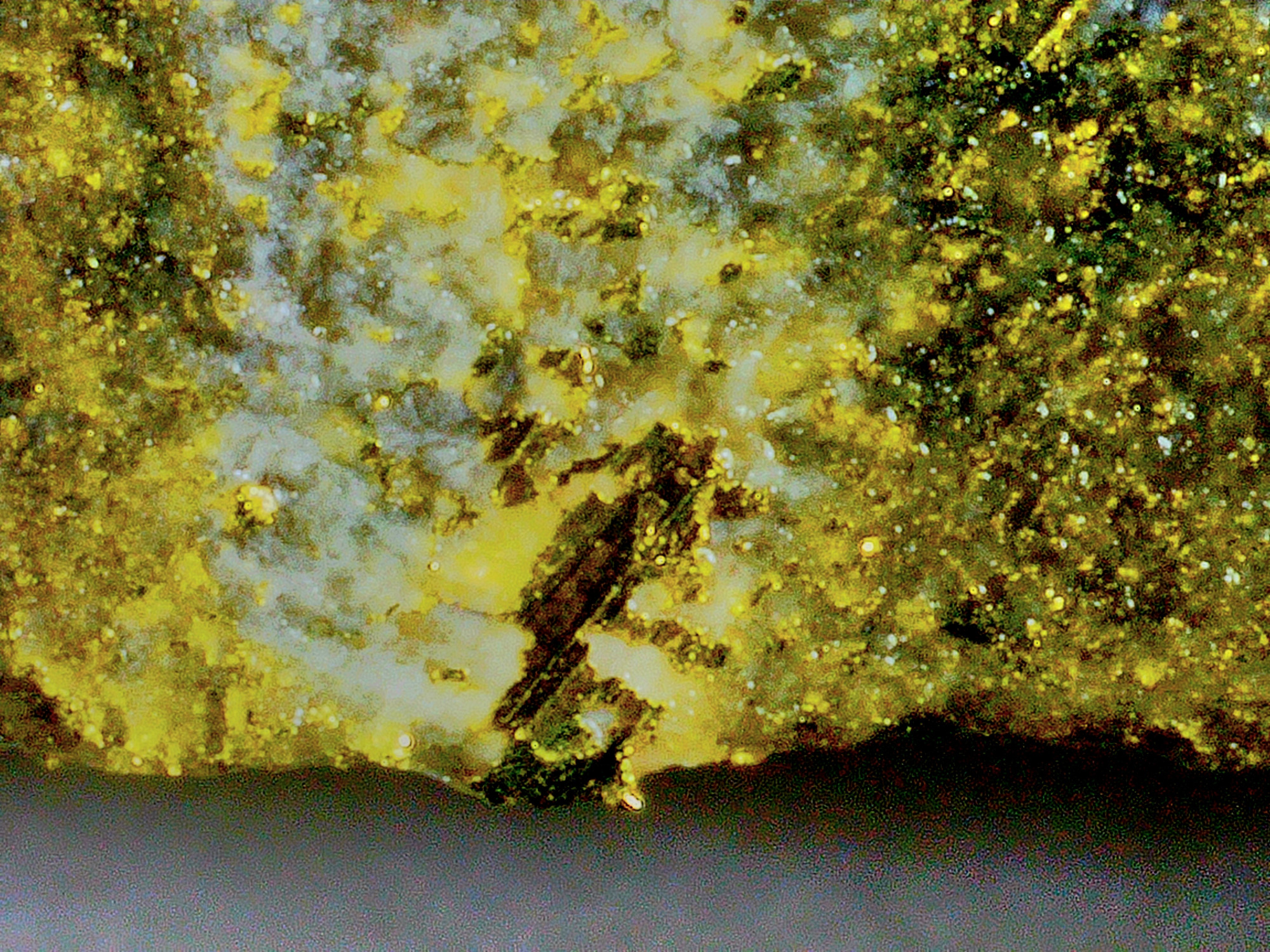
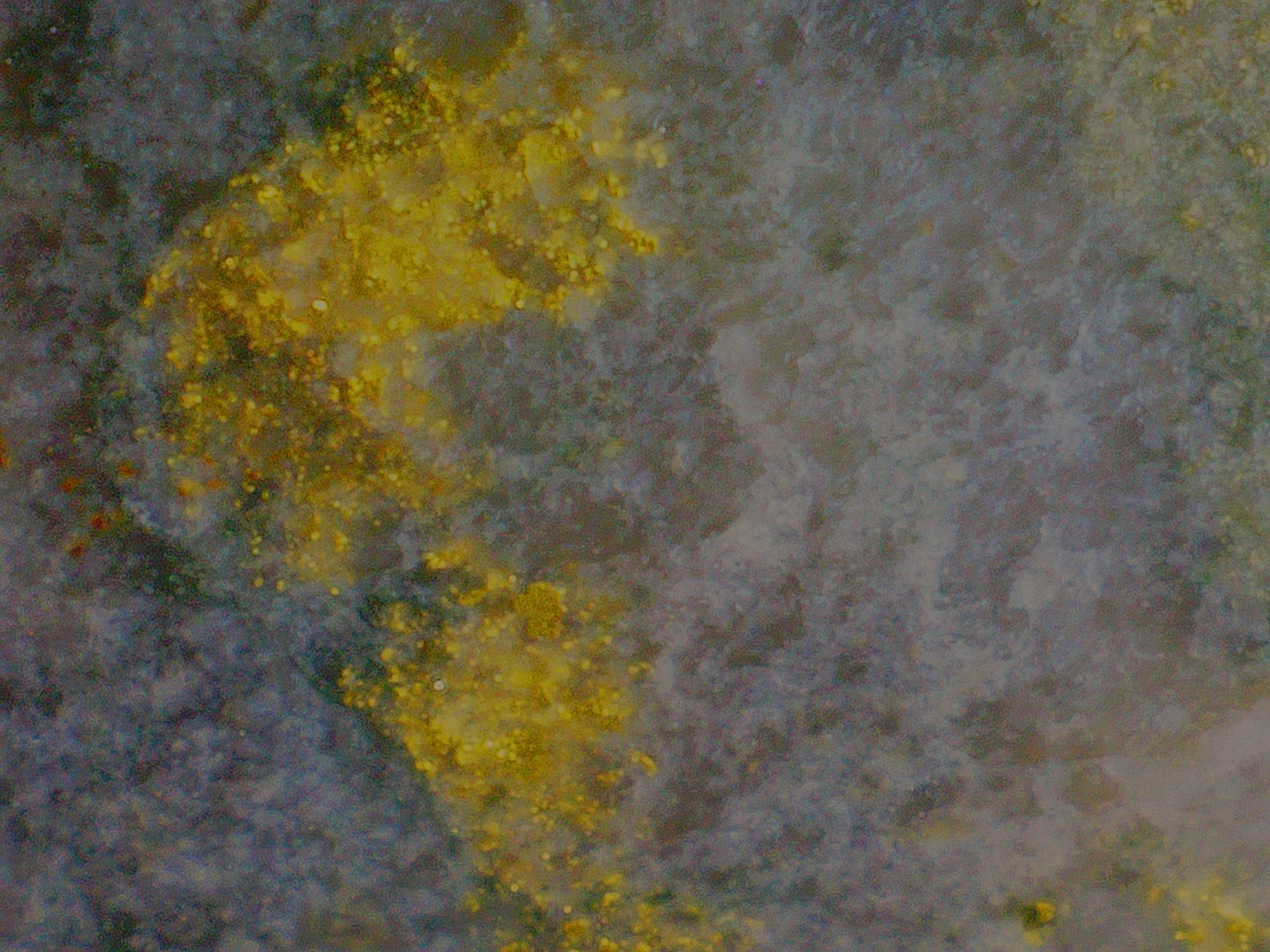
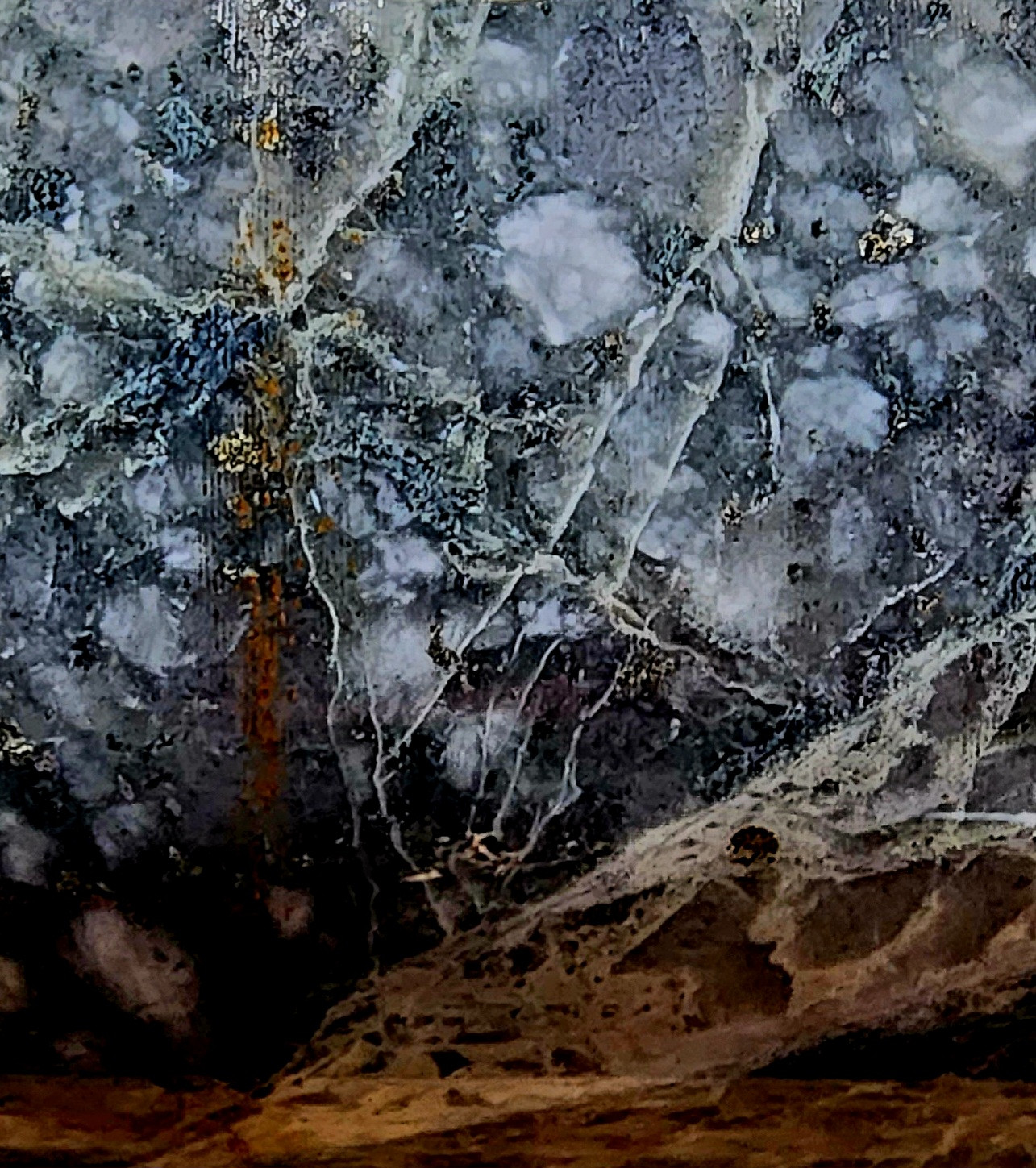
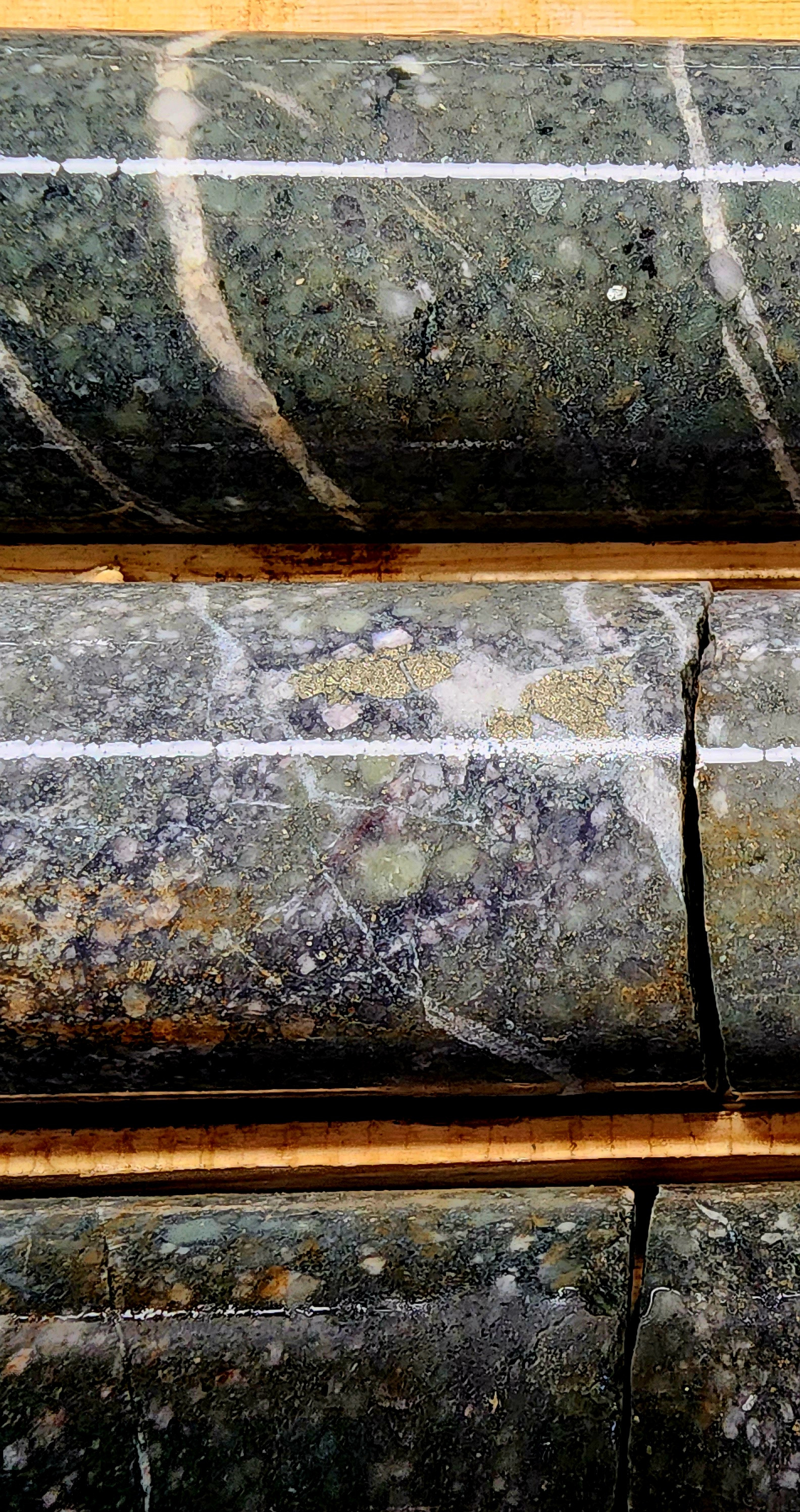
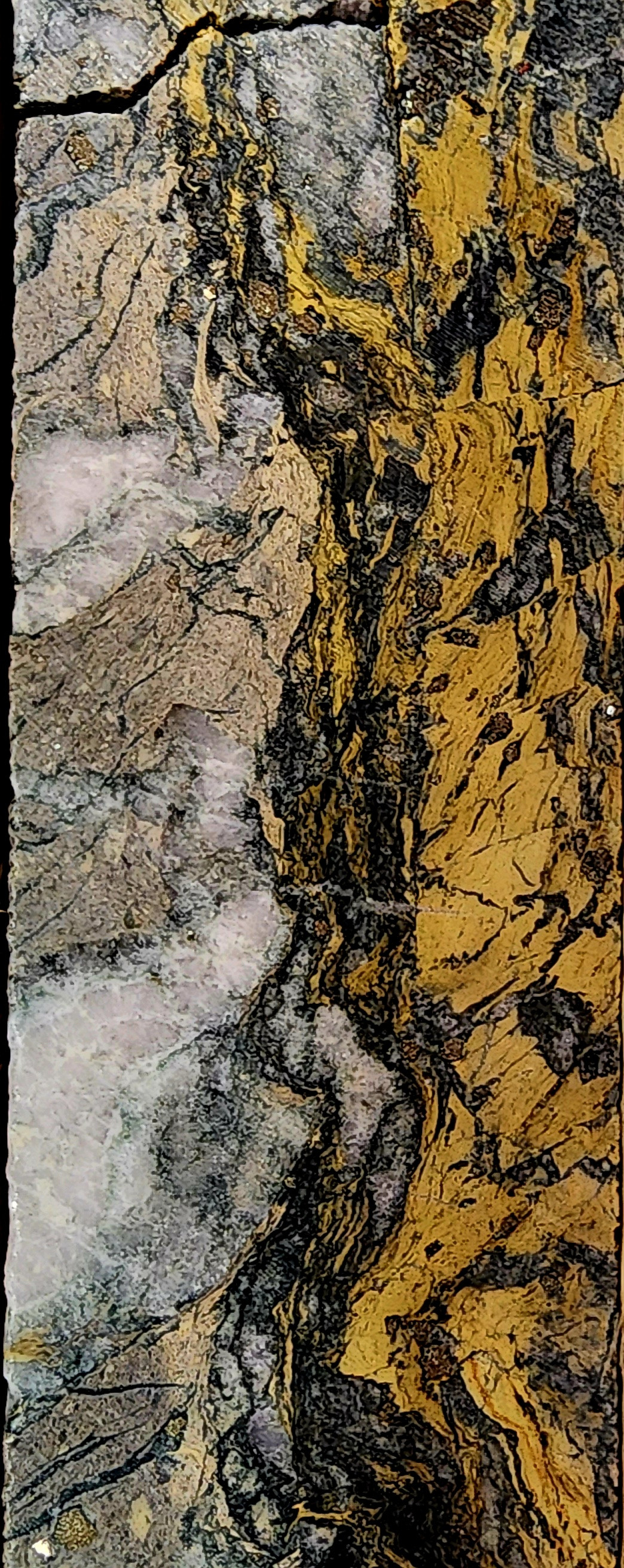
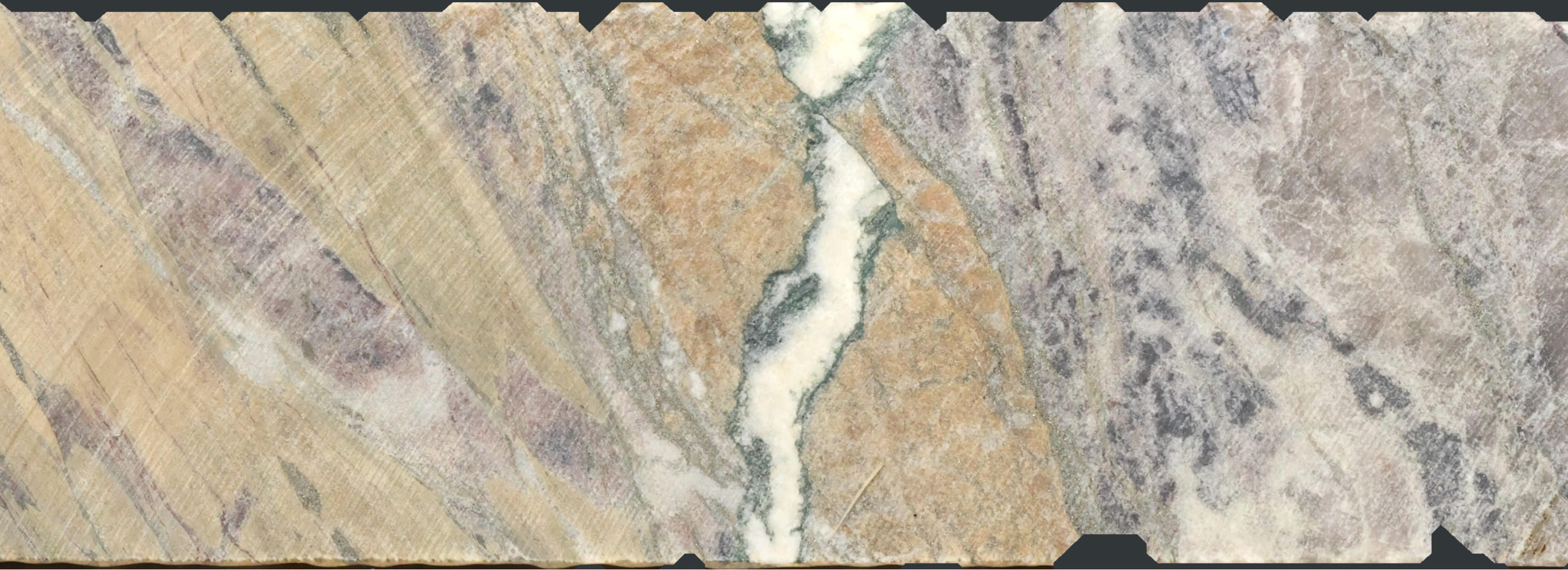
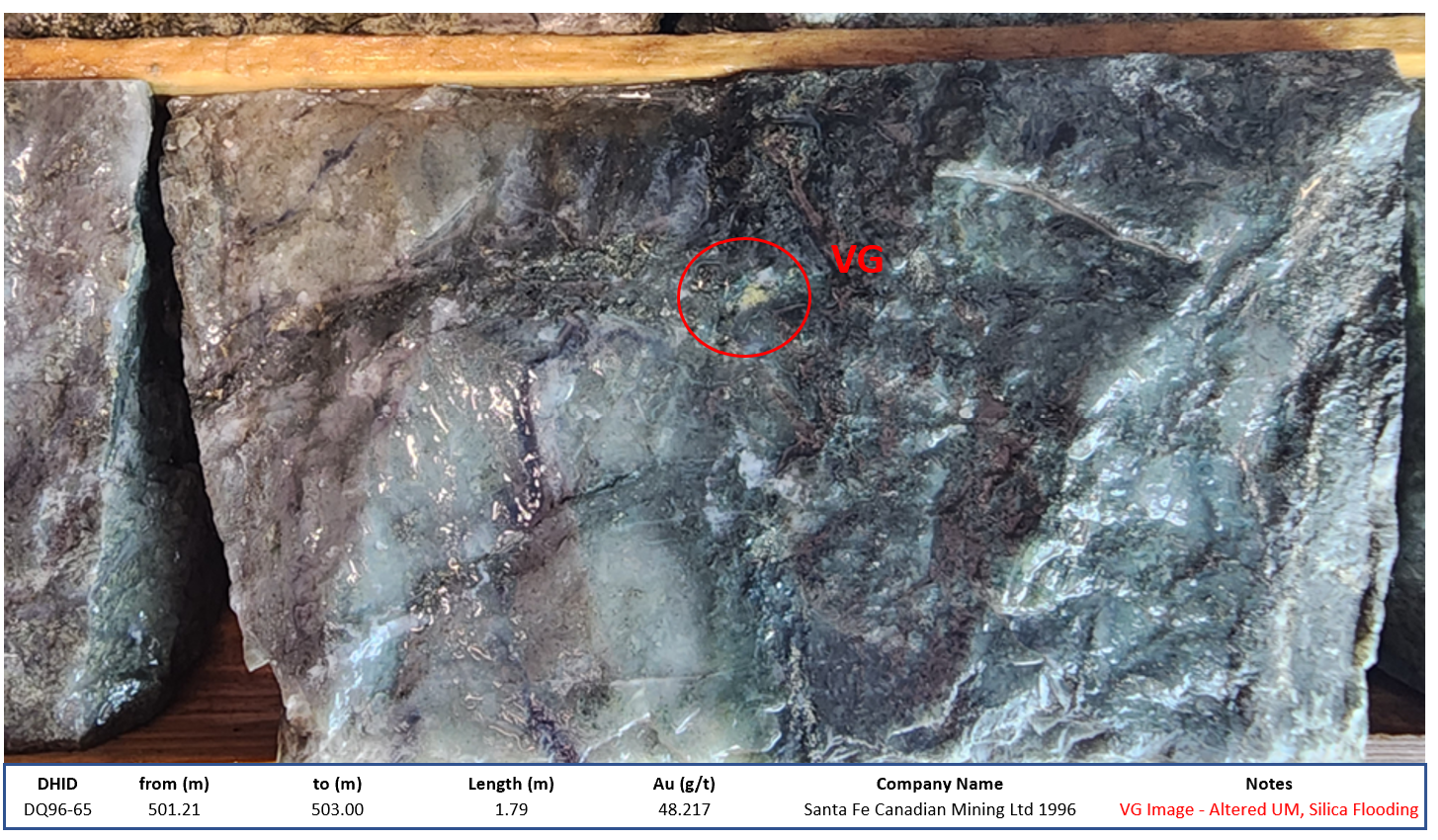
The increasing occurrence of visible gold during the 2026 program is also contributing to Emperor's evolving interpretation of the mineralizing system, helping refine future exploration targets and identify opportunities for resource expansion.
Option Agreement
Emperor Metals has the option to acquire a 100% interest in the project from Globex Mining. The earn-in requires $10 million in cash payments, 15 million common shares, and $12 million in exploration expenditures over a five-year period.
Image Gallery

Maps
Core Shack Gallery